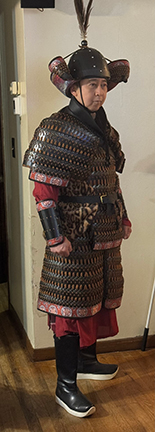
 PRESIDENT: Johnny K. Wu, an award-winning Cleveland-based filmmaker, cultural producer, and trilingual entrepreneur (fluent in English, Spanish, and Chinese Mandarin) who started his media business in 1998—with over 25 years in media production—leads the Silk Road Cultural Collective, a nonprofit preserving Tang and Ming dynasty legacies through replica armor exhibitions, hanfu showcases, sword demonstrations, and immersive events across Northeast Ohio. Leveraging his expertise in Chinese history, trilingual fluency for broader outreach, and ventures like co-founding the Cleveland Asian Festival (drawing 50,000+ attendees annually), Wu bridges ancient Asian traditions with modern audiences, fostering cultural pride, education, and economic opportunities amid his portfolio of 14+ distributed films, documentaries on Cleveland’s Chinatown, and community leadership.
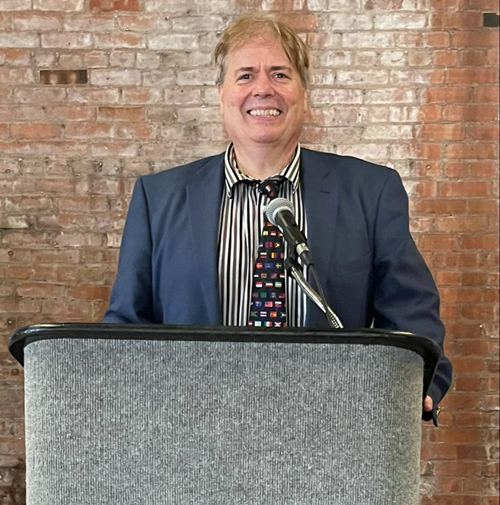 VICE PRESIDENT: Dan Hanson, a Cleveland-based entrepreneur, author, and champion of cultural diversity with degrees in Mathematics and a background founding Magnum Computers Inc., co-founded the Silk Road Cultural Collective alongside filmmaker Johnny K. Wu to showcase Tang and Ming dynasty Asian armor, hanfu, and heritage through live events and exhibitions. As co-founder and President of the Cleveland International Hall of Fame Board, Committee Co-Chair of the Cleveland Asian Festival (attracting 40,000+ visitors in 2025), Executive Board member of the Cleveland Cultural Garden Federation, and publisher of ClevelandPeople.com, Hanson bridges global communities via videos, mystery novels like “Murder in AsiaTown,” and intercultural initiatives, amplifying Northeast Ohio’s ethnic tapestry
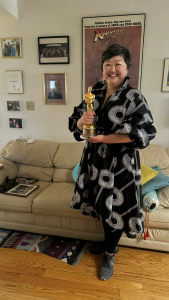 SECRETARY: Annie Pu (Ying Pu) serves as the Secretary of the Silk Road Cultural Collective, channeling her distinguished 20+ year legacy as founder, owner, publisher, and chief editor of the Erie Chinese Journal—the premier Chinese-language newspaper connecting Northeast Ohio’s Asian communities since 2003. Honored with a landmark 20th anniversary celebration at Cleveland City Hall in 2023, attended by regional leaders and performers, Annie has pioneered vital community journalism, including securing the publication’s inaugural $65,000 Facebook Journalism Project grant in 2020 to fund pandemic-era direct mail, newsletters, and digital outreach. A first-generation immigrant from Shanghai and steadfast cultural bridge-builder, she excels in bilingual coordination, organizational governance, and fostering cross-cultural initiatives that amplify Asian heritage
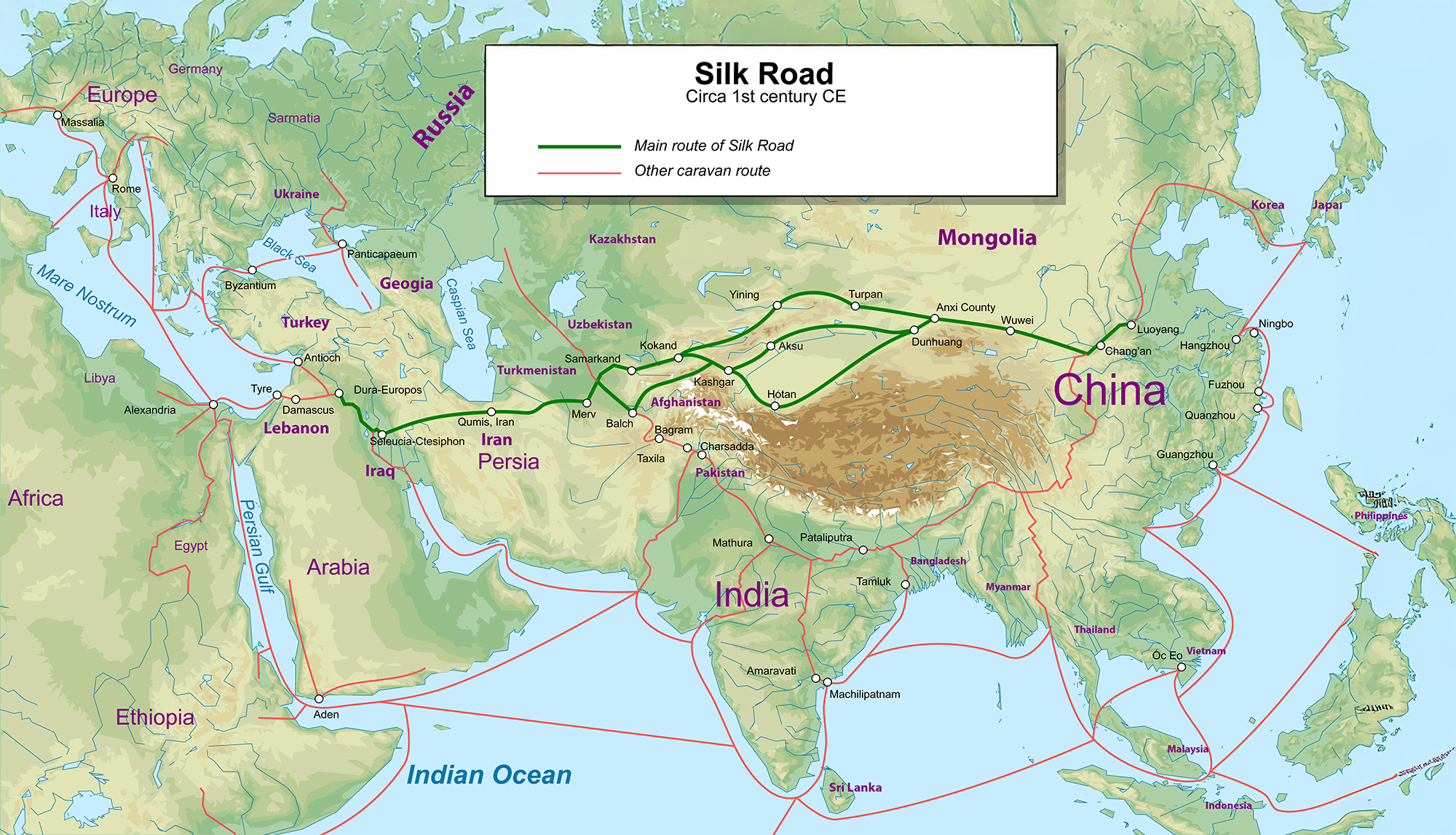
 The Silk Road Cultural Collective was born from a passion to reconnect the world with the spirit of the ancient Silk Road—a crossroads where art, craftsmanship, music, and ideas flowed freely between East and West. We believe that cultural heritage is not something to be kept behind glass—it is meant to be lived, shared, and experienced.
At Silk Road, we celebrate the beauty and innovation of Asia’s past through modern storytelling, live performance, and immersive experiences. From historical armor showcases and costumed demonstrations to cultural festivals and culinary events, our work transforms history into motion, education into entertainment, and heritage into human connection.
Supporting Silk Road means more than preserving artifacts—it means preserving understanding. Every donation, collaboration, and sponsorship helps us bring endangered traditions, master artisans, and forgotten stories to new audiences. Together, we can foster cross-cultural respect, inspire the next generation of makers and performers, and ensure that the richness of world heritage continues to enlighten our shared future.
Join us on this journey along the modern Silk Road—where history meets creativity, and where every supporter helps keep the world’s cultural soul alive.